Technology
Application

Cyber security in building technology - the underestimated risk factor

Today, many technical networks in buildings are significantly less protected than traditional IT systems. At the same time, attacks on building management systems, control systems and IoT components are increasing noticeably.

What has long been standard in IT is often still lacking in building technology: clear concepts, structured security and organizational responsibility.
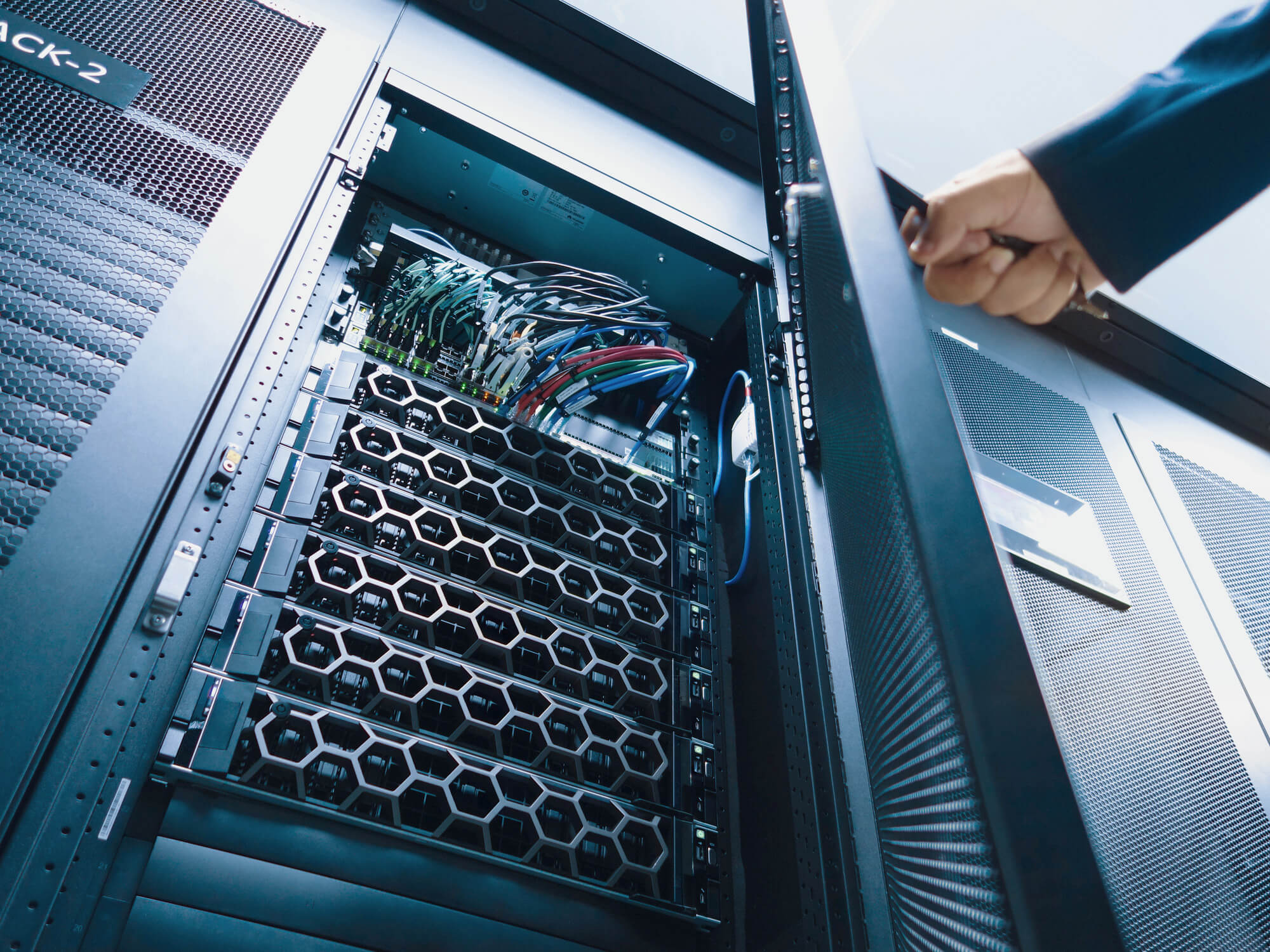
View of server from inside
Lack of overall architecture
Technical networks grow organically over the years - often without an overarching security concept, clear segmentation or defined responsibilities.
Uncontrolled system landscape
Some IP-based control systems and field devices have been in use for decades - without structured updates, patch management or a lifecycle strategy.
Unsecured IT/OT transitions
There are direct or inadequately secured transitions between office networks and technical control systems - a frequent attack vector.
Insufficient physical protection
Network cabinets, ports or field devices are often freely accessible. Physical security is underestimated in technical environments.

USe Cases

Today, the security of technical networks is business-critical. Attacks no longer only affect data - they can disrupt physical processes and compromise critical infrastructures.

The consequences range from operational downtime to considerable economic and safety-related damage.
Use Case 1

IT-OT integration

When production facilities, building automation and IoT systems are increasingly networked with the IT infrastructure and cloud services, new areas of attack arise. A cyber security concept is necessary to secure interfaces, control data flows and ensure the integrity of processes.
Use Case 2

Integration of new technologies and legacy systems

The introduction of IoT sensors, predictive maintenance solutions or AI into existing OT environments brings complexity and new vulnerabilities. A cyber security concept ensures secure configurations, monitoring and regular penetration tests.
Use Case 3

Remote access and maintenance by third parties

If external service providers or suppliers require access to control systems, the risk of malware infections or unauthorized changes increases. Clear access guidelines, multi-factor authentication and network segmentation are crucial here.
Use Case 4

Access control to control systems and network components

Every connection point at a patch socket or switch is a potential weak point. As part of cyber security, these aspects must also be taken into account and protected areas ensured.
Use Case 5

Inventory

What if something happens and nobody knows which devices are connected to the network? Keeping an inventory and regularly checking whether anything has changed on the network is also part of cyber security.

Our OFFER

We provide you with structured support from the security assessment to the organizational anchoring of your technical infrastructure.

We analyze your technical networks and identify structural vulnerabilities, risks and potential attack vectors.

We look at network segments, transitions between IT and technical systems, building management and control systems, gateways and field devices. The aim is a transparent risk assessment as a reliable basis for decision-making.

- Risk and vulnerability analysis
- Evaluation of the IT/technology interfaces
- Prioritized recommendations for action

Based on the assessment, we develop a structured security architecture for your technical systems - tailored to existing IT specifications and relevant standards such as SN EN IEC 62443.

The concept defines network segmentation, access concepts, monitoring structures, physical security requirements and organizational responsibilities.

- Architecture Blueprint
- Segmentation and access concept
- Standards-compliant safety strategy

The introduction usually requires adjustments to the existing infrastructure as well as specific hardware and software measures.

We support tenders, coordinate implementation partners and ensure implementation through to acceptance.

- Tender documents
- Accompanied implementation
- Proof of acceptance and safety

Technical security only works with clearly defined roles and processes. We provide support in setting up a sustainable operational organization, define responsibilities and accompany the transition phase through to stable regular operation.

- Role and process definition
- Operating and emergency concept
- Transition to normal operation

ExampleE from practice

Let us evaluate the security of your technical infrastructure together.
Adrian Staudenmaier
Chief Digital Officer