Energy centers of the future: sustainable, decentralized, innovative
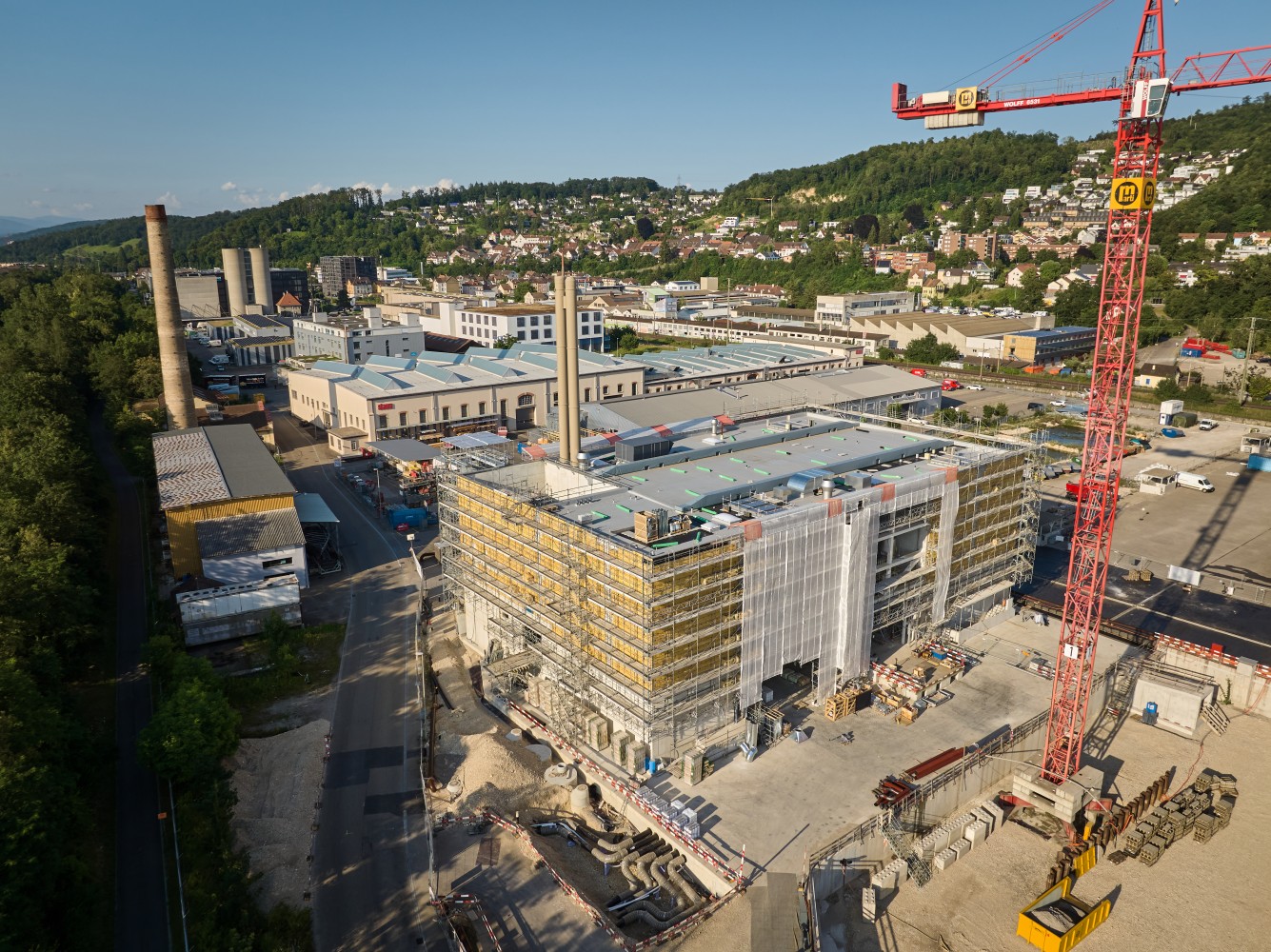
The heating network in collaboration with Primeo Energy and the Innovation Campus uptownBasel is a showcase project for the energy transition. 25 existing heating systems and networks in Reinach, Arlesheim and Münchenstein are being merged and converted to renewable energies. The centerpiece is a modern energy center on the uptownBasel site in Arlesheim, which is currently in the final phase of commissioning.
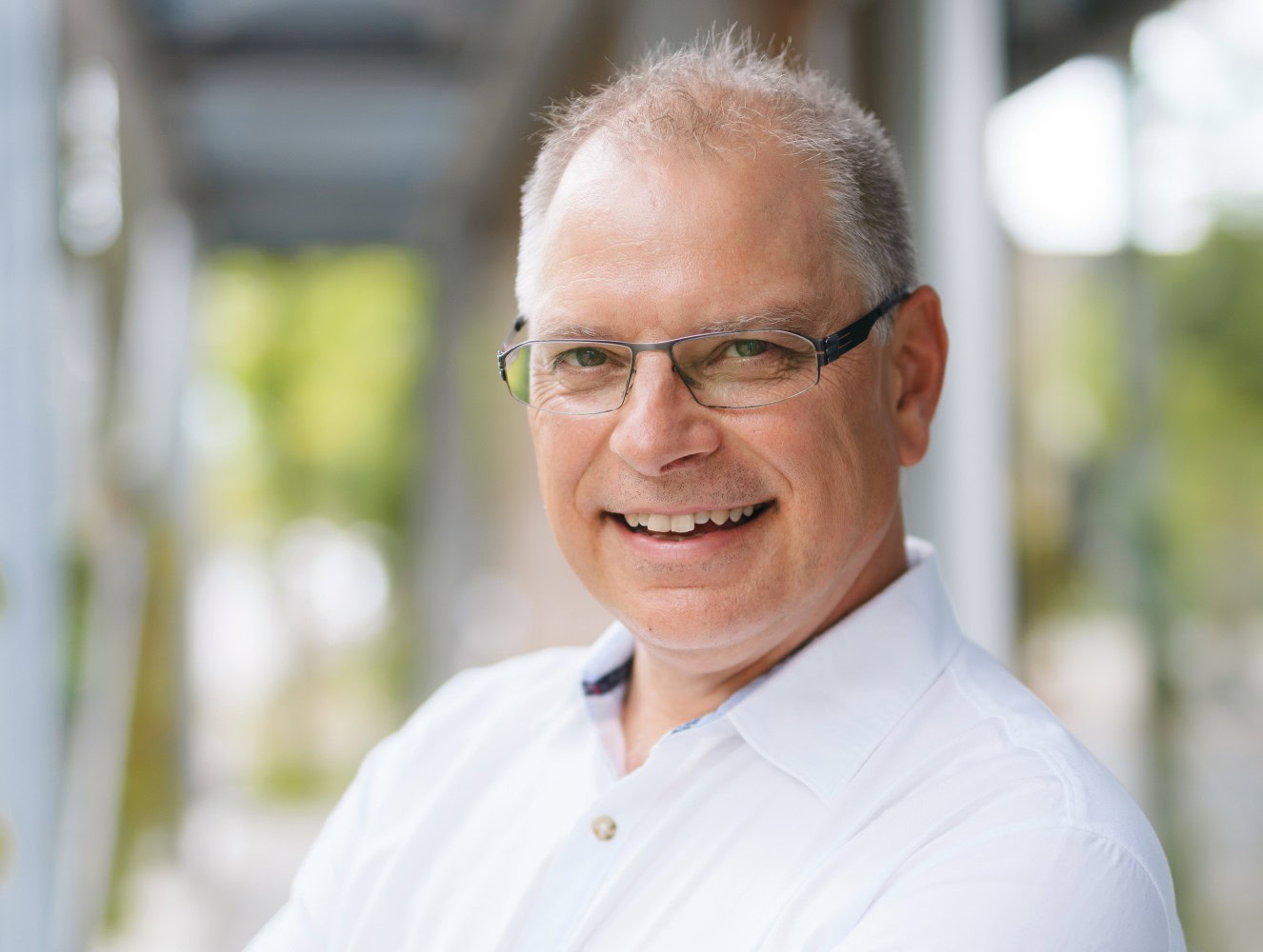
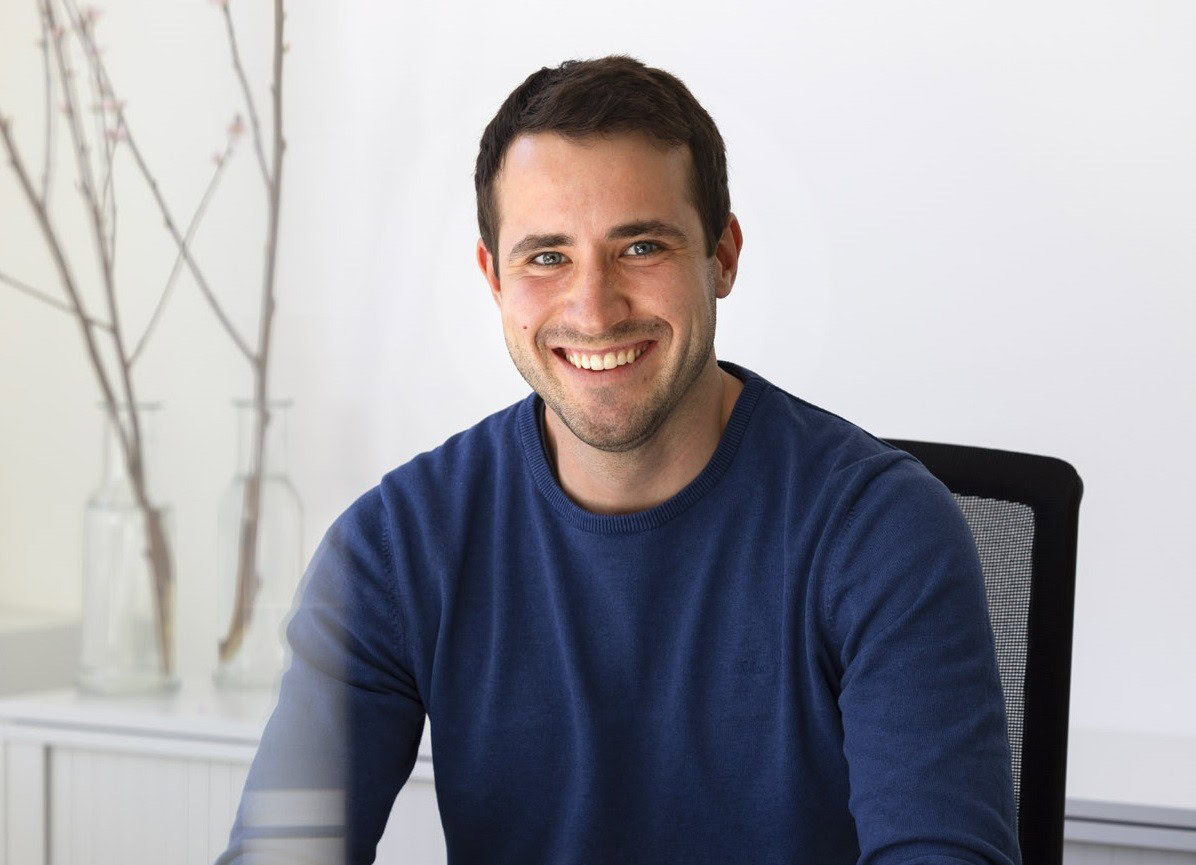
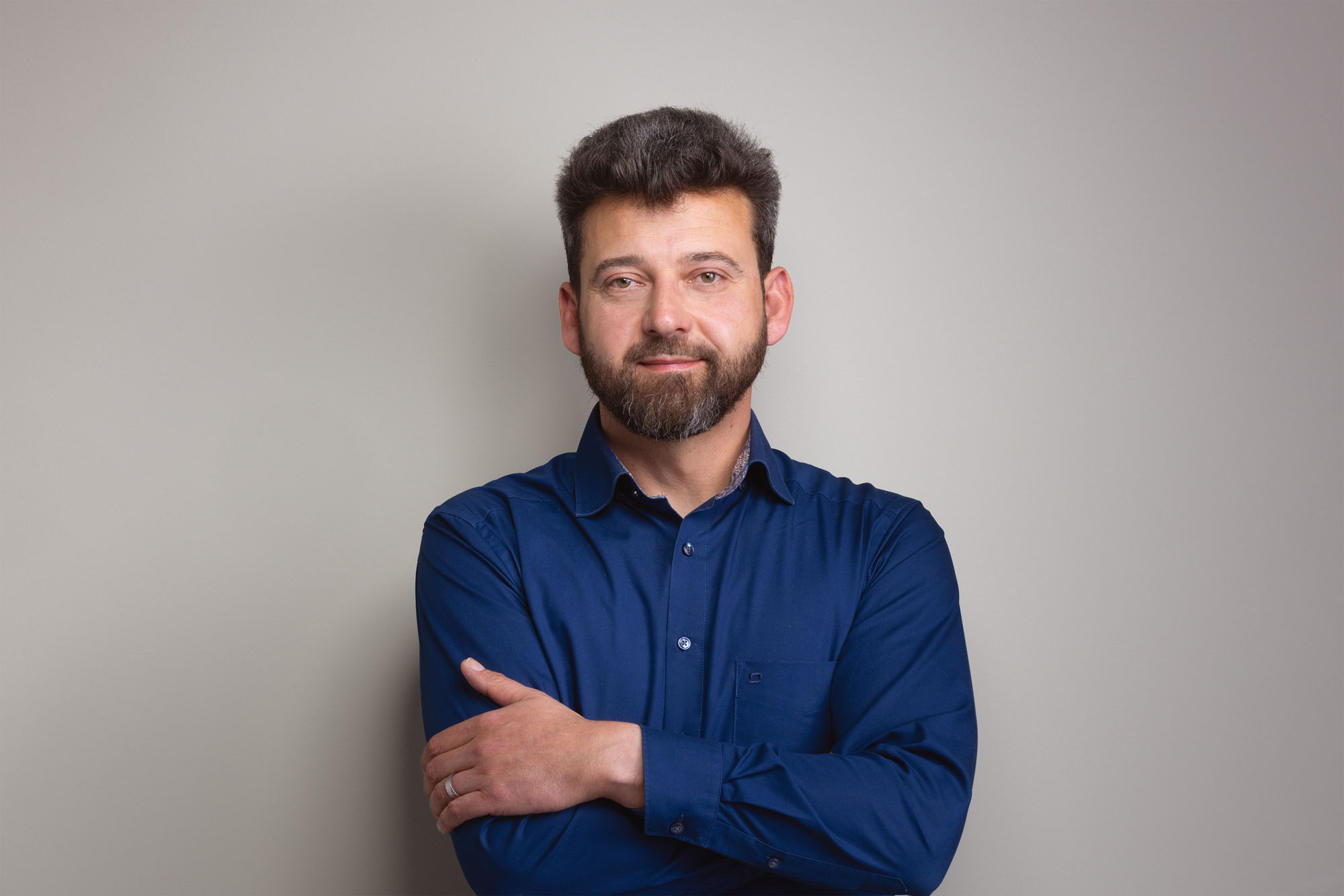
Experts discuss Matthis Stolz, I&C project manager of this energy center and division manager of GA Willers Rheinfelden, Carsten Pötschke, site manager Willers Rheinfelden and Martin Dietler, Head of Market and Customers at Primeo Energy, The event will focus on the challenges and opportunities of sustainable heat expansion, innovative energy concepts and dealing with waste heat, biomass and peak loads in modern energy supply.


It really is a balancing act. Although we are building a large new heating network, we are also benefiting from existing district heating networks that we have been operating for 40 years. These are now being merged to form the Birstal heating network. This means that we are starting with the commissioning, but we already have decentralized heating plants that are in operation and are therefore not dependent on a cut-off date.
If the constellation were different, it would be much more challenging. This means we can sell a considerable amount of heat in just a few weeks right from the start.
As soon as we go into operation, we have to sell large quantities of energy, as the wood-fired boilers require a minimum output. Connecting existing associations naturally helps a great deal to ensure acceptance.
It is also advantageous for the commissioning process, as we can distribute the heat sensibly.
That was a stroke of luck. In densely populated residential areas, it is hardly possible to build large heating centers due to zoning regulations and acceptance problems. The derelict Schorenareal site lent itself to development as the uptownBasel innovation campus. Industry 4.0 with a high energy density is being created here and we have been given the opportunity to build our headquarters there. In future, we will use the waste heat from the neighboring data center to operate heat pumps - a win-win situation that also makes the site interesting for investors and companies.
The first 50-80 percent of decarbonization is relatively easy to achieve. It becomes more difficult with the last 10-15 percent.
In order to cover peak loads on a few winter days, we would have to oversize systems - a high cost and resource expenditure. We are therefore focusing on decentralized storage and are considering seasonal storage solutions. For example, we could store excess heat in summer for the winter. However, this is technically and economically challenging.
In Norway, for example, geothermal storage facilities are being built that can be covered. At the Baselink energy center in Basel, we use geothermal probes, albeit at low temperatures. Here in Arlesheim, the temperature levels of the waste heat would lead to high losses. Alternatives such as sodium acetate storage with phase change are interesting, but are not yet technically mature for large volumes. We are currently working intensively on this topic.
Regional capacities for green chips are almost exhausted. The situation is not much better throughout Switzerland. Some pellets have to be imported and waste wood is hardly available in winter. One approach is to store waste wood in summer so that it can be used in winter. Another idea is to collect waste in summer and only burn it in winter.
The political goals for decarbonization are driving our projects forward. At the same time, we are coming up against limits: Due to zoning regulations and a lack of public acceptance, large heating plants can hardly be built in residential areas. In future, we will increasingly rely on decentralized solutions.
In addition, renewable resources are not sufficient to heat the current building stock. Buildings need to be insulated so that the available sources are sufficient.
Yes, when we hear about planned data centers, it's an issue. uptownBasel shows how successful such collaborations can be. Perhaps in future, data centers will increasingly be built where waste heat can be used and sufficient electricity can be provided.
In the Birstal heating network, we are relying on power-to-heat solutions to convert surplus electricity into heat. We are also looking at how we can integrate the heat pumps on the site in order to keep the entire electricity grid stable. Short-term shutdowns of heat pumps in winter are conceivable if peak loads occur. In summer, we could ramp up chillers when there is excess electricity. Storage options help, but the complete solution to the problem is beyond our control. However, we can contribute to stabilization.
Speaker
Martin Dietler, a trained heating draughtsman, graduated from Lucerne University of Applied Sciences and Arts with a degree in engineering specializing in heating, ventilation and air conditioning and has been working at Primeo Energie (Elektra Birseck Münchenstein) for 25 years. As deputy head of the heating business, he is responsible for the development and consolidation of heating networks and customized solutions for heating and cooling supplies. As a board member of the InfraWatt association, he advocates good framework conditions for the use of energy from infrastructure facilities.
Matthis began his practical phase at Willers in Rheinfelden in 2014 during his dual studies in order to write his bachelor's thesis. He progressed from junior project manager to team leader and deepened his expertise in building automation. He acquired additional valuable knowledge for specialist construction management through an extra-occupational master's degree in construction management. Matthis has been Head of Building Automation and Energy Hub Leader at Willers Rheinfelden since January 2025.
Since 2021, he has also been part of the heating control technology team at Primeo Wärme AG as MSRE project manager, where he is responsible for planning as well as operation and maintenance.
Carsten joined Willers in Rheinfelden in 2009 directly after completing his degree in supply engineering in Hanover. From 2012, he managed the development of our energy efficiency services and became a member of the management team in 2018. Since 2022, he has been responsible for the further development of our headquarters in Rheinfelden as site manager.
Carsten has been responsible for numerous concept studies for site energy supplies. Another focus is the engineering of cooling networks for data centers and industrial plants.